

Shimano Saint Brake Pads: Complete Guide to D02S Replacements for BR-M810 & BR-M820

Image credit: Race Face
Why Shimano Saint Brakes Are the Gold Standard for Downhill
Shimano Saint brakes (BR-M810 and BR-M820) are the go-to 4-piston caliper for downhill and aggressive trail riding. They hit hard and they last.
But pads wear out, and what you replace them with matters. Here's what you need to know about Saint pad options.
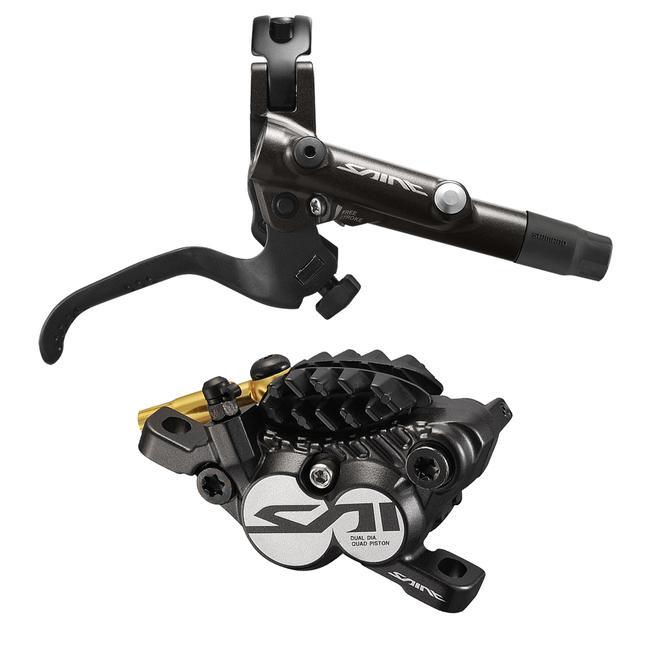
Shimano Saint BR-M820 4-Piston Disc Brake Set
Understanding Shimano Saint Brake Pad Compatibility
Shimano Saint brakes use D-type pads (also known as D02S for sintered or D03S for resin). These are 4-piston brake pads designed specifically for the Saint and Zee caliper families:
- BR-M810 - Original Saint caliper
- BR-M820 - Updated Saint caliper with improved heat management
- BR-M640 - Shimano Zee (uses same pads)
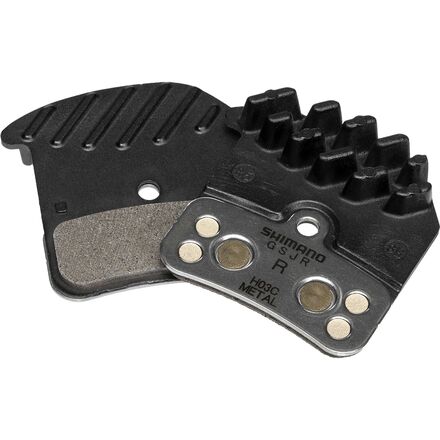
Shimano D02S Sintered Metal Pads - The OEM choice for Saint brakes
Sintered vs Organic: Which Shimano Saint Pads Should You Choose?
Sintered (Metallic) Pads - D02S
Best for: Downhill racing, wet conditions, aggressive riders
- Longer lifespan under heavy use
- Excellent wet weather performance
- Better heat dissipation on long descents
- Slightly longer bed-in period
Organic (Resin) Pads - D03S
Best for: Trail riding, dry conditions, quieter braking
- Better initial bite
- Quieter operation
- Easier on rotors
- Faster bed-in time
When to Replace Your Shimano Saint Brake Pads
Check your pads regularly and replace when:
- Pad material is less than 1mm thick
- Braking power feels reduced
- You hear metal-on-metal grinding
- Pads show uneven wear patterns
Installation Tips
- Clean your caliper - Use isopropyl alcohol to remove any contamination
- Push pistons back - Use a proper piston press tool to reset pistons
- Check rotor condition - Glazed rotors should be sanded lightly
- Bed in properly - 20-30 moderate stops from speed to set the pads
Grab Your Saint Pads
We carry replacement pads for Saint and Zee in both sintered and organic. All our pads are tested on North Shore trails.
Browse our Shimano brake pad collection
You might also like
- How to Bleed Shimano Hydraulic Brakes, full Shimano bleed with the burp step